What Is an Ecommerce Insights Platform? A Practical Guide (+ Free Evaluation Scorecard)
by Trivas.ai
|
8 min read
Oct 03, 2026
Why "Ecommerce Insights Platform" Means Different Things to Different Vendors
Search for "ecommerce insights platform" and you'll get a dozen different products claiming the title. Some of them are a single-channel dashboard with a new coat of paint. Others are full cross-channel data warehouses with AI sitting on top, built to answer questions a spreadsheet never could.
That gap matters. A lot.
This guide gives you a working definition, the components that separate a real insights platform from a dashboard wearing a fancier name, and a free scorecard you can use to evaluate vendors before you sign anything.
Here's the real cost of getting this wrong: if you're running Shopify alongside Amazon, spending on Meta and Google Ads, and pulling funnel data from GA4, you're probably reconciling numbers across four or five tabs right now. Different definitions of "revenue." Different attribution windows. Hours lost every week just getting the team to agree on what the dashboard says before anyone can act on it.
An ecommerce insights platform is supposed to fix that. Not all of them do.
What an Ecommerce Insights Platform Actually Is
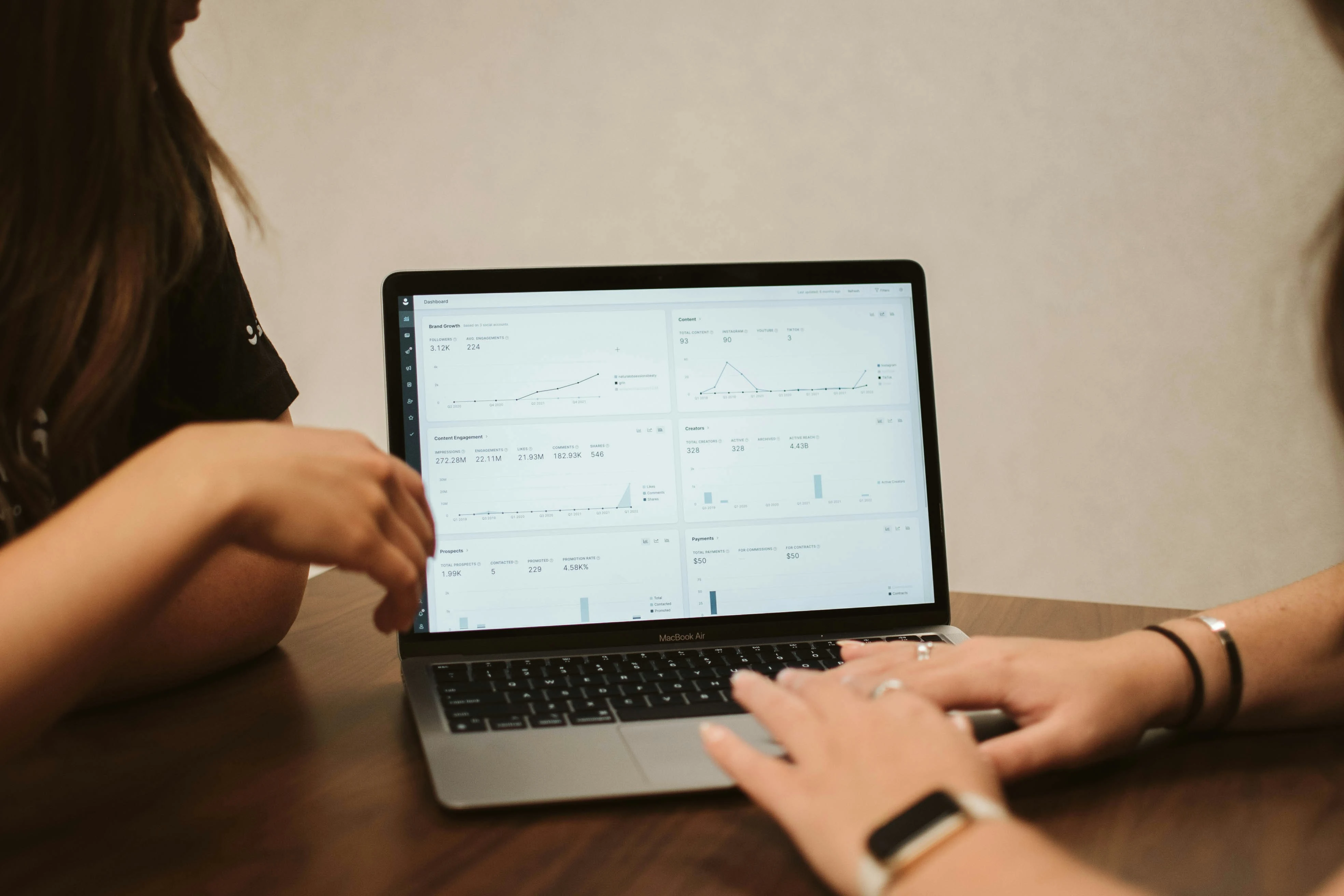
Strip away the marketing copy and here's the definition that actually holds up: an ecommerce insights platform unifies order, ad spend, and funnel data from every sales and marketing channel into one data layer, then surfaces findings from that data instead of just charting it.
That last part is the part most vendors skip.
Buyers tend to lump three different categories together, and they shouldn't:
A single-platform dashboard (Shopify's native analytics, Amazon's Brand Analytics) shows you one channel well. It wasn't built to blend anything.
A generic BI tool like Looker or Tableau can technically connect to anything, but you need a data team to model the joins, build the visualizations, and maintain the pipeline when a source API changes. Powerful, but it's a toolkit, not a finished product.
A true insights platform comes pre-built for ecommerce data sources. Connectors for Amazon, Shopify, Meta, Google Ads, and GA4 are already mapped to a common schema on day one.
The architecture underneath actually determines which of these you're getting. Platforms built on a proper warehouse, Trivas runs on Amazon Redshift, can join Amazon, Shopify, ad platform, and GA4 data at the row level. That's different from stitching together CSV exports or API pulls that happen to land on the same screen. Row-level joins are what let you ask "what's my blended CAC by product category across Amazon and Shopify this week" and get one real number back, not three numbers you have to average yourself. You can see what that looks like in practice on the insights product page.
The Core Components a Real Insights Platform Needs
If you're evaluating anything that calls itself an insights platform, check it against these five pieces. Miss one and you're really buying a dashboard.
Unified data layer. Order data, ad spend, and session data from every channel reconciled into one source of truth. Not five exports that someone pastes into a master spreadsheet every Monday.
Cross-channel performance dashboards. A blended view of Amazon, Shopify, Meta, Google Ads, and GA4 funnels so you can compare ROAS and margin on the same basis, not Amazon's definition of a conversion next to Meta's.
An AI or "insights" layer. This is the piece that actually separates the category. It should flag anomalies before you go looking for them and answer plain-language questions about performance, not just render a chart you still have to interpret yourself. Trivas calls this layer Wingman, and it's the difference between a tool that shows you a ROAS dropped and one that tells you why.
Forecasting and simulation. Projecting revenue, inventory needs, or ad spend outcomes, not just reporting what already happened last week. If a platform is purely backward-looking, it's a reporting tool wearing an insights label. Trivas's forecasting and simulation layer exists specifically to close that gap.
Alerting and automation. A stockout risk, a CAC spike, a ROAS drop, these should surface the moment they happen. Not at next Thursday's weekly review, by which point you've already burned the ad spend.
What We Found Looking at How DTC Brands Actually Report Today
We looked at how brands in our own customer base were reporting before they switched to a unified platform, and the pattern was consistent enough to be worth sharing.
Most brands weren't running one tool badly. They were running several tools reasonably well, and losing the time in between.
A few things came up over and over:
[@portabletext/react] Unknown block type "table", specify a component for it in the `components.types` prop
None of this is shocking if you've lived it. The spreadsheet isn't the problem by itself, it's that someone has to rebuild it every time a channel changes its export format or a campaign structure shifts. That's the hidden cost spreadsheets and single-channel dashboards both carry, and it's exactly what pushes teams to look for an actual ecommerce insights platform instead of patching the old process again.
If you want to see how your own stack stacks up against this, the scorecard further down lets you benchmark it directly.
How to Evaluate an Ecommerce Insights Platform Before You Buy
Before you sit through another demo, run the vendor through these four questions.
Data coverage. Does it natively support every channel you sell or advertise on, Amazon, Shopify, Meta, Google Ads, TikTok, GA4, or will one of them need a manual workaround? A platform that covers four out of five channels still leaves you reconciling the fifth by hand, which defeats the point.
Depth of the AI layer. Ask it a specific question live in the demo. "Why did ROAS drop on this campaign last week?" If it answers in plain language, that's a real insights layer. If it just pulls up a pre-built chart and leaves the interpreting to you, it's a dashboard with an AI label stapled on.
Forecasting capability. Is there any predictive or simulation layer at all, or is everything in the tool backward-looking? This is usually the easiest way to tell an insights platform apart from a reporting tool.
Setup and time to value. Self-serve configuration versus guided onboarding, and realistically, how long until you have a usable dashboard? Days matter here. If a vendor can't give you a straight answer on timeline, that's itself an answer.
Running through these from memory in a sales call is hard, which is exactly why we built something you can actually use.
Get the Free Ecommerce Insights Platform Evaluation Scorecard
We put together a scorecard that scores any platform against the same four criteria above: data coverage, AI depth, forecasting, and setup time.
It's built to use twice. First, score your current stack, the mix of native dashboards and spreadsheets you're probably running today. Then score each vendor you're considering, side by side, using the same scale. The gap between those two scores is usually the clearest argument for (or against) switching that you'll find.
If you'd rather see the components we described above in a live product first, a self-serve look at how to get started is a lower-commitment place to begin than a sales call.
FAQ: Ecommerce Insights Platforms
What is the difference between an ecommerce insights platform and a BI tool? An insights platform comes pre-built for ecommerce data sources and surfaces findings automatically. A generic BI tool like Looker or Tableau can get there too, but you need a data team to model and visualize everything manually first.
Do I need an insights platform if I only sell on one channel? Probably not yet. Single-channel dashboards, like Shopify's native analytics, usually cover that need fine. The pain starts once you add a second sales or ad channel and need to reconcile data across both.
How long does it take to set up an ecommerce insights platform? It depends on data coverage and integration depth. Guided onboarding can get you a working dashboard in days. A self-serve setup can take longer if any connectors need custom configuration.
Can an insights platform replace a data analyst? It cuts the manual reporting workload significantly, but it works best alongside a data analyst or marketing lead who interprets what the AI surfaces and makes the actual call.
Where to Go From Here
Three things separate a real ecommerce insights platform from a dashboard with a new coat of paint: a genuinely unified data layer, an AI insights layer that answers questions instead of just charting them, and a forecasting capability that looks forward instead of only backward.
Before you sit through another vendor demo, run your current stack and your shortlist through the scorecard. It'll tell you more in ten minutes than most sales calls will in an hour.
And if you want to keep learning about how this stuff works before you talk to anyone, subscribe to get more breakdowns like this one as we publish them.
Content author and contributor at Trivas.ai, sharing insights on e-commerce analytics, business intelligence, and data-driven strategies to help businesses grow.
Continue Reading
explore more insights
Is Northbeam Worth It? The Complete Guide for DTC Founders
3 min read
How to Connect Shopify Analytics to Your Weekly Standup Data
3 min read
Best Shopify Analytics Tool for US Brands (2025 Comparison)
.d53b12e5.png&w=3840&q=75 "Trivas.ai")