How to Set Up Omnichannel Analytics for Shopify in One Day
by Om Rathod
|
7 min read
Sep 02, 2026
Most Shopify brands running paid ads on more than one platform hit the same wall: five tabs open, five different revenue numbers, and no real answer to "what's actually working." If you've been putting off fixing this because it feels like a multi-week project, it isn't. Here's how to set up omnichannel analytics for Shopify in one day, what order to do it in, and where people usually trip up.
What does 'omnichannel analytics' actually mean for a Shopify brand?
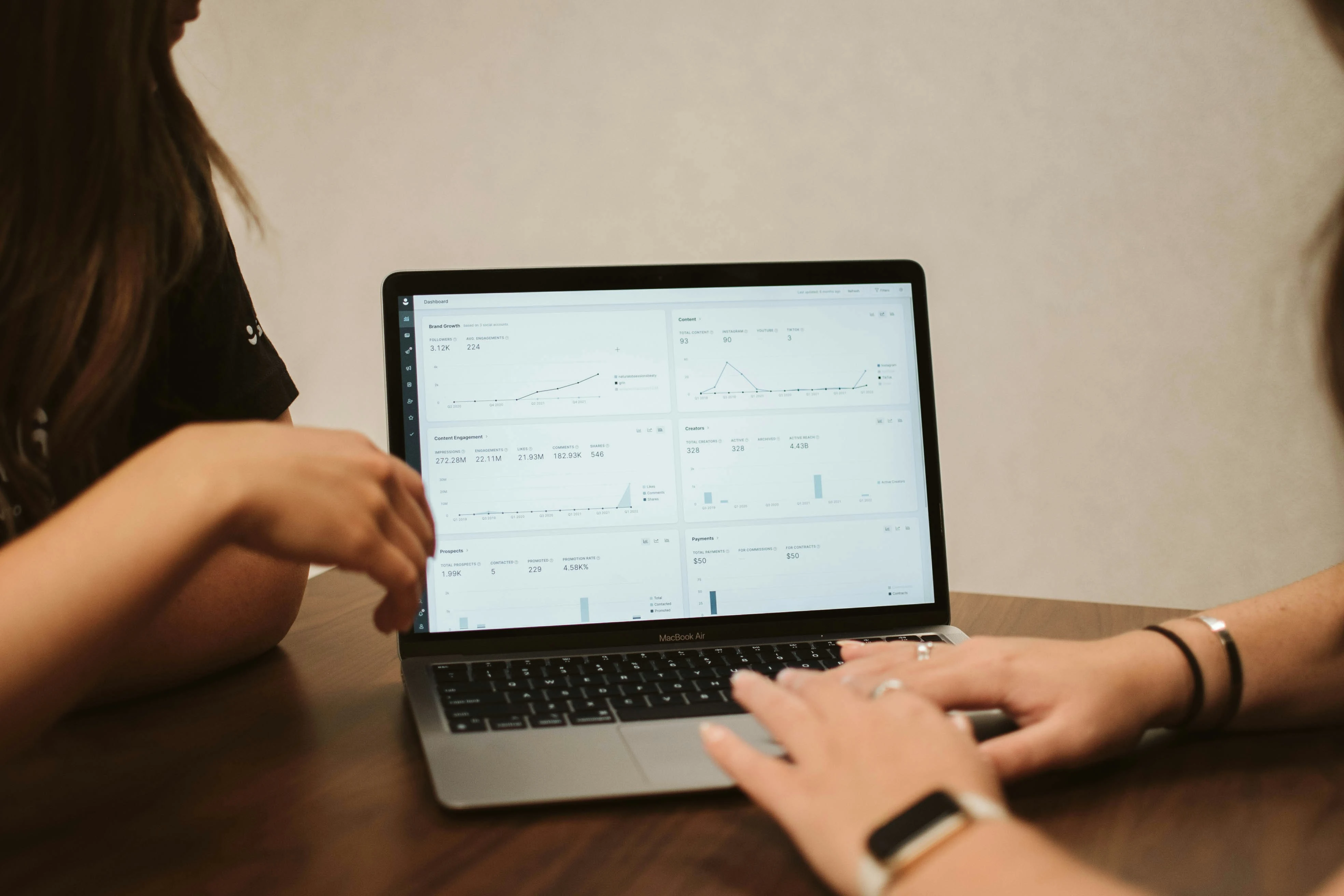
Strip away the buzzword and it's simple: one dashboard that pulls your Shopify orders, your Meta/Google/TikTok ad spend, your GA4 funnel data, and your Amazon sales (if you sell there too) into a single view of revenue and CAC.
Compare that to the default state most brands live in. Shopify admin open in one tab, Meta Ads Manager in another, Google Ads in a third, GA4 in a fourth, maybe an Amazon Seller Central tab too. Someone on the team copies numbers into a spreadsheet every Monday and tries to make them agree with each other.
They never quite do. Meta will tell you a campaign drove $40,000 in revenue. Google will claim credit for a chunk of the same sales. GA4 has its own version of events entirely. This is the actual pain point omnichannel analytics solves: reconciling ROAS across platforms that each grade their own homework.
Can you realistically set up omnichannel analytics for Shopify in one day?
Yes, if you're using prebuilt connectors instead of custom API work. The "one day" claim falls apart fast if someone on your team is writing scripts to pull data from each platform manually. It holds up fine if the tool you're using already has native integrations for Shopify, Meta, Google Ads, and GA4.
Worth putting a number on what you're saving. Manual cross-channel reporting typically eats 3+ hours a week: pulling exports, matching date ranges, fixing naming mismatches. Once a dashboard is live, that same check takes about 20 minutes a day.
One caveat, and it matters: "live in a day" means the dashboards are connected and pulling current data, not that six months of history is perfectly backfilled and reconciled. That part keeps refining itself over the following days as more data flows through. Day one gets you a working view, not a finished one.
What data sources should you connect first, and in what order?
Order matters more than people assume. Here's the sequence:
Shopify store first. This is your source of revenue truth. Every other number gets measured against it.
Paid ad platforms next (Meta, Google Ads). Once Shopify orders are syncing, spend data has something real to compare against.
GA4 third, to layer in session and funnel behavior.
Amazon or other marketplaces last, if you're multichannel.
Why this order and not some other one: ad spend numbers are meaningless in isolation. A $10,000 Meta spend figure means nothing until it's sitting next to actual Shopify order revenue for the same window. Connect Shopify first so everything downstream has a fixed point to measure against.
If you're doing this for a Shopify-specific setup, Shopify integration resources walk through the connector details in more depth than we'll cover here.
Klaviyo and TikTok can wait. Neither one blocks the core revenue-vs-spend view you're trying to build on day one, so push them to week two without guilt.
What are the exact steps to go live on Trivas within hours?
Here's the actual sequence, no fluff:
Step 1: Install Trivas AI on the Shopify App Store and authorize store access. This is the source-of-truth connection, so get it done first.
Step 2: Connect your ad accounts, Meta and Google Ads, plus GA4, all via OAuth. No manual CSV exports, no copying API keys around.
Step 3: Data syncs into the underlying Amazon Redshift warehouse, and prebuilt dashboard templates start populating on their own. You're not building charts from scratch.
Step 4: Assign UTM and campaign naming rules so ad spend maps correctly to Shopify order tags. Do this before end of day, because skipping it is the single most common reason a same-day setup produces messy numbers.
That's the whole thing. Four steps, and the heaviest lift is step 4, which is really just naming discipline.
How does a one-day Trivas setup compare to Triple Whale, Northbeam, or Polar?
Setup time
Trivas uses prebuilt connectors and dashboard templates that populate automatically once accounts are authorized
Some competitors require longer configuration windows or agency-assisted onboarding before dashboards are usable
Data ownership
Trivas syncs data into a dedicated Amazon Redshift warehouse, which means you can query the raw data directly, not just view it through a vendor's UI
That matters if your team ever wants to build custom reports outside the dashboard itself
Pricing structure
Tiers and what's included at each level vary a lot across these tools, so rather than restate it here, the Triple Whale vs Polar vs Trivas comparison breaks down the full pricing picture
Support model
Onboarding help is available same-day rather than getting queued into a multi-week implementation schedule, which is the difference that actually matters when you're trying to go live today, not next month
What commonly goes wrong during a same-day setup, and how do you avoid it?
Three things trip people up almost every time.
Pitfall 1: Inconsistent UTM parameters. If your Meta campaigns use one naming convention and your Google campaigns use another, ad spend won't map cleanly to the right Shopify orders. Fix it before you connect anything: standardize your UTM templates first, then connect.
Pitfall 2: Mismatched attribution windows. Meta defaults to a 7-day click window. Google and others may use something different. Mixing windows across platforms inflates some channels and deflates others in ways that make ROAS comparisons meaningless. Pick one window, apply it everywhere, and don't switch it mid-analysis.
Pitfall 3: Missing admin permissions. OAuth connections need admin-level access on the ad accounts. If whoever's doing the setup only has editor access, the connection will fail or partially fail. Confirm access before you start, not after you've hit a wall at 4pm.
None of these are hard problems. They're just the kind of thing that eats two hours if you discover them mid-setup instead of before.
What should you check on day one to confirm the data is accurate?
Don't just trust the dashboard because it's populated. Run these three checks before you call it done:
Reconcile Shopify revenue. Pull the same date range in Shopify's own admin sales report and compare it to what the dashboard shows. They should match closely.
Spot-check one campaign's spend. Pick a single Meta or Google campaign and compare its spend number against the native ads dashboard. If it's off, something in the sync needs attention.
Check for double-counting in GA4. Make sure GA4 conversion counts for a given day aren't being counted separately from the Shopify orders they represent. This is a common source of inflated "conversion" totals.
Fifteen minutes of checking here saves you from making decisions off bad numbers next week.
Ready to get your omnichannel dashboard live today?
By the end of one day, you should have Shopify revenue, ad spend, and GA4 funnel data sitting in one dashboard, reconciled and checked against the native sources. That's the whole point of knowing how to set up omnichannel analytics for Shopify in one day: not months of implementation, just an afternoon of careful connecting.
If you want to see it for yourself, start a trial and connect your first data source in the next 20 minutes. If you'd rather have someone walk you through it live, book a same-day setup call and get it done with a founder on the line instead of a support ticket queue.
Revenue growth leader and co-founder driving Trivas's commercial strategy. Om has led the product vision and execution from scratch. With a strong background in SaaS sales and GTM strategy, Om bridges product innovation with real-world customer needs.
Continue Reading
explore more insights
What Is the Best Analytics Tool for an Ecommerce Brand Without a Data Analyst?
.d53b12e5.png&w=3840&q=75 "Trivas.ai")

 by Om Rathod