Can AI Replace a Data Analyst for Ecommerce Reporting?
by Om Rathod
|
6 min read
Sep 02, 2026
Can AI replace a data analyst for ecommerce reporting?
No. Not fully, anyway. What AI does replace is most of the manual reporting work analysts used to spend their week on: pulling exports, reconciling numbers across platforms, building the same chart for the third time because someone asked for a different date range.
There's a real difference between "reporting" and "analysis," and it matters here. Reporting is pulling numbers, building dashboards, and flagging when something looks off. Analysis is deciding what those numbers actually mean for the business, and what to do next. AI is genuinely strong at the first one. It's weak, still, at the second.
So if you're asking can AI replace a data analyst for ecommerce reporting because you're trying to figure out whether to hire, keep, or cut a role, the honest answer is: it depends which half of the job you're talking about. The rest of this post walks through exactly where the line sits.
What ecommerce reporting tasks can AI already do without a human analyst?
Plenty, and this is the part that's easy to underestimate until you've actually automated it.
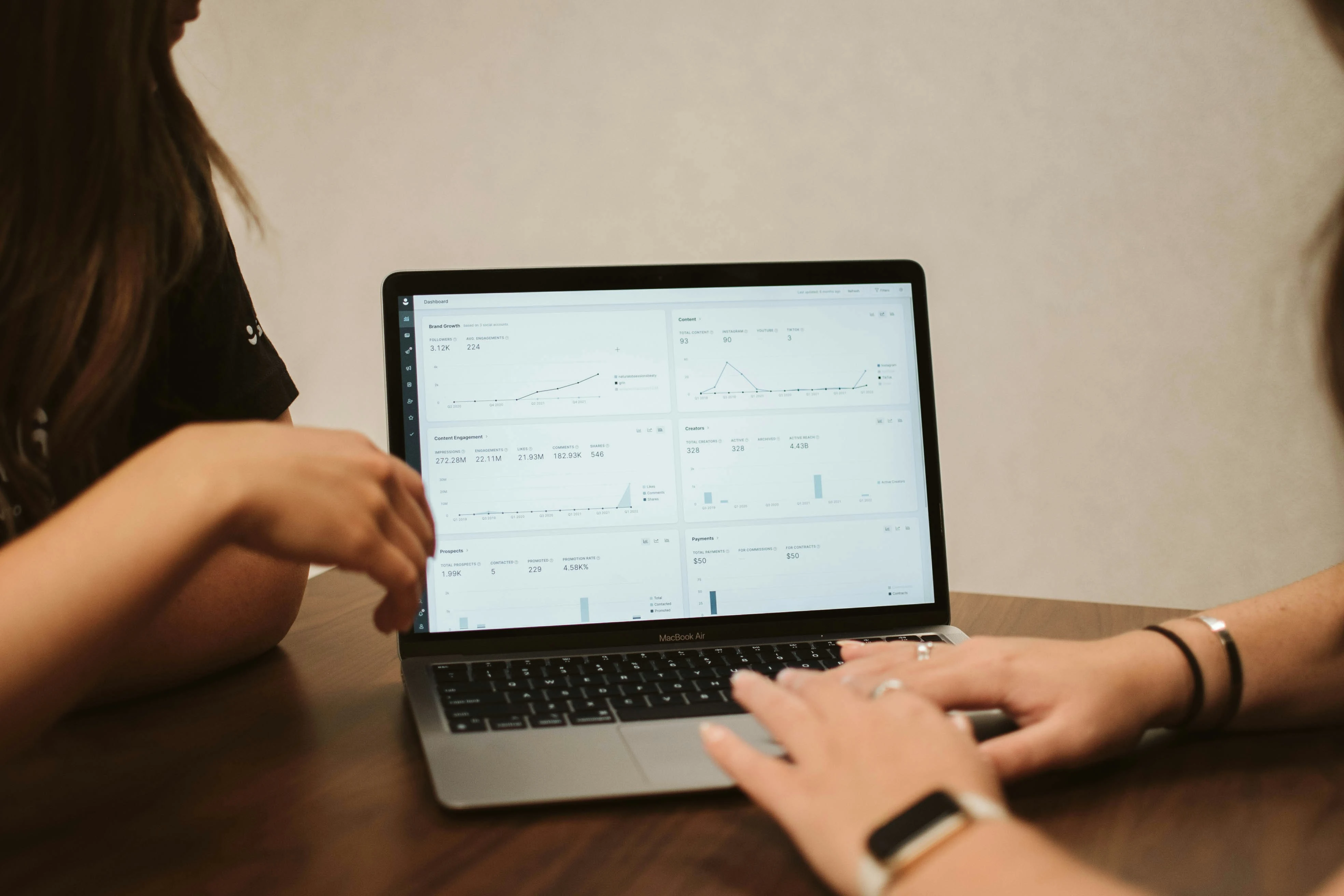
Pulling and unifying data. Amazon, Shopify, Meta and Google Ads, GA4: AI-driven dashboards pull all of it into one view without anyone exporting a CSV or copy-pasting into a spreadsheet. No more three separate logins before a Monday standup.
Anomaly detection. A CAC spike on one campaign, a ROAS drop on a specific SKU, a sudden dip in a funnel step. Automated flags surface these the moment they happen, not two weeks later when someone finally scrolls back through last month's numbers.
Auto-generated summaries. Weekly or monthly reports that used to take an analyst 2-3 hours to assemble by hand (screenshotting charts, writing the same "here's what changed" paragraph) now generate on their own.
The time math is the clearest way to see it. Manual multi-channel reporting, done properly, eats 3+ hours a week for most teams. That's pulling data, checking it against last week's numbers, building the deck or doc, then explaining it in Slack. With dashboards that refresh automatically, that same task takes a few minutes: you open the dashboard, and it's already there.
What can't AI do that still requires a human data analyst?
Here's where it gets less flattering for the "AI replaces analysts" pitch.
Judgment calls. A metric drops 15%. Is that seasonality? A tracking bug? A real problem? AI can tell you the number moved. It can't tell you why, not reliably, and definitely not with the confidence to act on it without a human checking first.
Business context AI doesn't have. A warehouse delay pushed fulfillment out three days. The founder dropped price on a hero SKU last Tuesday without telling anyone to update the model. None of that lives in the data. A human analyst who talks to ops and knows what changed can catch it in seconds. AI can't, because it was never told.
Custom, one-off analysis. New attribution logic for a launch. A specific question nobody built a dashboard for ("what happens to LTV if we raise the subscription price by $5"). That's a build-it-from-scratch job, and it needs someone who understands both the data model and the business question behind it.
Communicating findings that actually change a decision. A chart isn't a decision. Someone still has to walk into a meeting, explain the tradeoff, and get buy-in. That's a human skill, not a dashboard feature.
Does AI change what an ecommerce data analyst does day to day?
Yes, and mostly for the better if the analyst leans into it.
The job shifts from "time spent pulling and formatting data" to "time spent interpreting flagged insights and deciding what to do about them." That's a real change in how the day looks. Less time in Google Sheets, more time actually thinking about the number in front of you.
It also changes scope. An analyst who isn't manually assembling reports can realistically cover more channels and more SKUs than they could before, because the grunt work isn't eating the hours. The role starts to look less like "report builder" and more like a strategist who validates what AI surfaces and acts on it.
For teams built around analyst headcount, this is worth thinking through deliberately rather than letting it happen by accident. How Trivas positions this shift for analyst-heavy teams is worth a look if that's the seat you're hiring for or currently sitting in.
Should a small ecommerce brand use AI reporting instead of hiring an analyst?
If you're a founder or growth lead at a smaller brand, this is probably the actual question you came here with, not the philosophical one.
Most small teams can't justify a full-time analyst salary just to keep dashboards updated and catch weekly anomalies. And honestly, they shouldn't have to. AI dashboards plus an insights layer, like Trivas Wingman, cover roughly 80% of what a junior-to-mid analyst would spend their time doing on a normal reporting cadence: pulling numbers, flagging changes, writing the weekly summary.
Where it breaks down is the harder stuff. LTV modeling, a new attribution methodology, a genuinely custom analysis for a board deck. Those still benefit from a human, whether that's an in-house hire or a consultant brought in for the specific project. Don't expect AI to replace that judgment just because it handles the reporting cadence well.
How does Trivas.ai fit into the AI vs analyst question?
Trivas is built on Amazon Redshift, with dashboards across Amazon, Shopify, Meta and Google Ads, and GA4, plus an AI insights layer called Wingman that flags what's worth your attention instead of making you go find it.
It's built to automate the reporting layer, the part analysts used to spend hours assembling by hand. It's not positioned as a replacement for the strategic decisions that layer feeds into. Someone still has to decide what to do with the insight; Trivas just makes sure the insight shows up without three hours of manual work first.
Forecasting and simulation are where this gets interesting beyond just reporting. Modeling multiple scenarios (price changes, ad spend shifts, inventory constraints) by hand is realistically out of reach for a solo analyst juggling five other things. AI extends what's practically possible there in a way manual spreadsheet modeling never could. You can see the specifics in the AI insights product and the broader AI capabilities.
Bottom line: is your ecommerce reporting a good fit for AI automation?
One sentence version: AI replaces manual reporting work, not analytical judgment.
Here's a quick self-check. Look at where your team's analyst hours actually go each week. If most of that time is spent pulling data, formatting it, and building the same recurring report, that's the part AI should take over first. If most of the time is spent on judgment calls, cross-referencing context, and talking to stakeholders about what to do next, that's the part worth protecting and building around, not automating away.
Before you decide whether to hire, keep, or scale an analyst role, it's worth seeing how much of the manual side you can actually remove. Try Trivas and find out what's left once the reporting grind is off your plate.
Revenue growth leader and co-founder driving Trivas's commercial strategy. Om has led the product vision and execution from scratch. With a strong background in SaaS sales and GTM strategy, Om bridges product innovation with real-world customer needs.
Continue Reading
explore more insights
Triple Whale Data Accuracy: How Reliable Are the Numbers Really?
3 min read
What Causes Blended ROAS to Be Misleading?
3 min read
Introduction: Why Machine Learning Matters in E-Commerce
.d53b12e5.png&w=3840&q=75 "Trivas.ai")