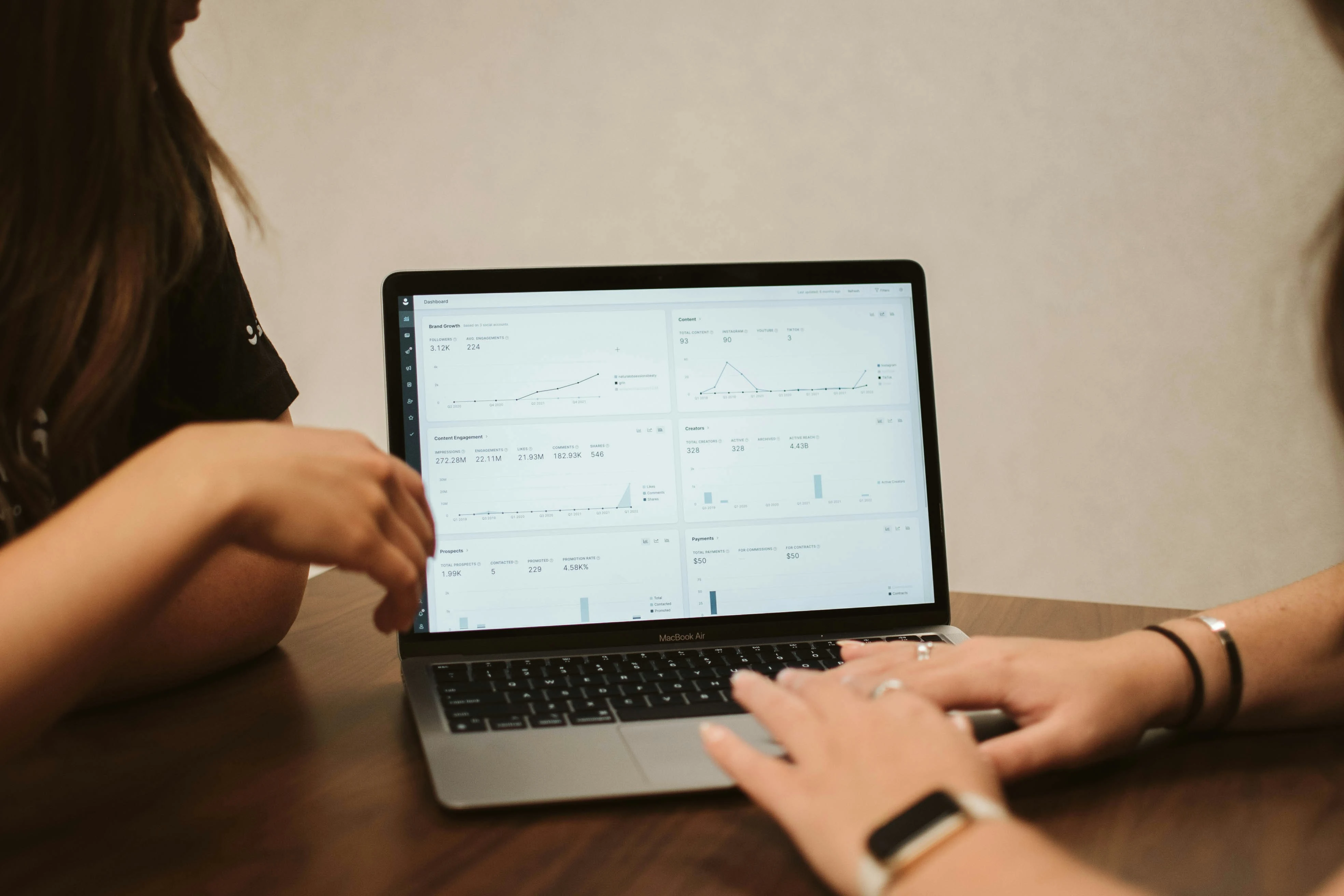
The best way to unify paid and organic data for a DTC brand is connecting both into one revenue-attributed view, where organic traffic, email, SEO, and social are measured against the same conversion and margin standards as paid channels, instead of living in separate reports that never get compared side by side. Most stores treat organic as a free channel that does not need rigorous measurement and paid as the only channel worth analyzing closely, which causes both to be managed badly.
Organic and paid do not operate independently of each other. A customer who finds you through organic search after seeing a paid ad twice, then converts through an email flow, is not a story any single-channel report can tell. This guide breaks down the myths keeping that story hidden and how to unify the data correctly.
DEFINITION: Unifying Paid and Organic Data
Unifying paid and organic data means combining performance metrics, like revenue, conversion rate, and customer acquisition cost, from both paid channels and organic channels such as SEO, organic social, and direct traffic, into one consistent reporting view. This reveals how the two interact, since organic traffic often gets credit it did not earn, or fails to get credit it deserves, when measured in isolation from paid activity.
Myth 1: Organic Traffic Is Free, So It Does Not Need the Same Measurement Rigor as Paid
Organic is not free. It costs content production time, SEO investment, and often years of compounding effort before it generates meaningful traffic. Treating it as a zero-cost channel means founders rarely calculate its true ROI or compare it fairly against paid spend.
The pattern we see consistently: brands that calculate organic's fully loaded cost, including content creation, SEO tools, and the time spent managing it, find its blended CAC is often lower than paid channels, but not as close to zero as the "free channel" framing suggests.
Myth 2: Paid and Organic Performance Should Be Reported Separately
Reporting them separately hides the interaction between the two, which is often where the real story lives. A customer exposed to paid retargeting who later converts through an organic search visit gets attribution confusion in both reports: paid claims the touch, organic claims the conversion, and neither report shows the full path.
Unified reporting solves this by tracking the full customer journey across both channel types, using consistent attribution rules. This typically reveals that a meaningful share of "organic conversions," often 15-30% depending on the brand, were actually influenced by a prior paid touchpoint that single-channel organic reporting never captured.
Myth 3: Branded Search Traffic Is Purely Organic
Branded search, when someone searches your store's name directly, often gets counted as pure organic performance. In reality, a large share of branded search volume is generated by paid media building awareness in the first place.
A spike in branded search following a TikTok or Meta campaign is paid media's effect showing up in what looks like an organic metric. Crediting that entirely to organic search overstates organic's independent performance and understates what the paid campaign actually drove.
Myth 4: SEO Investment Does Not Need to Be Measured Against the Same ROI Standard as Ad Spend
SEO content and technical investment have real costs in time and tools, even without a direct media spend line item. Holding SEO to a lower measurement standard than paid media means underperforming content can run indefinitely without anyone noticing it never paid back its production cost.
Calculate a payback period for SEO content the same way you would for paid spend: total production and maintenance cost divided by the gross margin that content's traffic generates monthly. Content that has not paid back its production cost within a reasonable window deserves the same scrutiny a paid campaign would get.
Myth 5: A Unified View Is Too Complex to Be Worth Building for a Smaller DTC Brand
This was true when unification required custom data engineering. It is no longer true with connected platforms that pull both paid and organic data automatically into one reconciled view.
Connect ad platforms and your store's analytics into one data layer rather than separate tools.
Apply one attribution model that accounts for both paid and organic touchpoints in the same customer journey.
Calculate fully loaded cost for organic, including content and SEO investment, alongside paid spend.
Compare blended CAC and payback period across both channel types using the same formulas.
Trivas.ai connects to Shopify, Amazon, Meta Ads, Google Ads, TikTok, Klaviyo, and 40+ other platforms, with up to three years of historical data back-populated, making this unification achievable without a dedicated data team.
What Does a Real Unified Paid and Organic View Look Like?
Here is a simplified example for the same DTC brand over a 30-day period, with organic costs and paid influence on branded search both accounted for:
Once branded search influenced by paid campaigns is correctly attributed, paid social's true contribution increases while organic search's isolated number decreases, giving a much more accurate picture of which channel is actually doing the acquisition work.
How Does Unification Improve Budget and Content Decisions?
Once paid and organic are measured on the same standard, two decisions usually become clearer almost immediately.
Paid media's true halo effect on branded search and organic conversions becomes visible, which often justifies maintaining paid spend on channels that look marginal when measured in isolation.
Underperforming SEO content gets identified by payback period, the same way an underperforming ad campaign would, instead of running indefinitely under the assumption that any organic traffic is automatically valuable.
How Can Forecasting Build on a Unified Paid and Organic View?
Once you can see the real interaction between paid and organic, the next question is what happens if you shift investment between the two. A unified historical view makes this kind of cross-channel forecasting possible in a way isolated reporting never could.
Trivas.ai's forecasting and simulation tools use the unified data to model how shifting budget between paid and organic investment is likely to affect total revenue and blended CAC over time.
What Reporting Setup Keeps This Unified View Useful Over Time?
Build a dashboard that recalculates unified, reconciled performance automatically as new paid and organic data comes in, instead of two separate reports that only get compared manually once a quarter, if at all.
Trivas.ai offers custom dashboards built around your specific channel mix, with native BI Reporting and integrations into Power BI and Tableau for teams already standardized on those tools.
Original Named Framework
THE CHANNEL HALO CORRECTION: A method for revealing how paid media influences organic performance metrics that get misattributed as independent organic success. It works by tracking the full customer journey across both paid and organic touchpoints, then reattributing conversions like branded search and direct traffic that were actually influenced by prior paid exposure. Brands that apply the Channel Halo Correction typically find 15-30% of what looked like pure organic performance was actually paid media's effect showing up under the wrong channel label, a correction that directly changes how both budgets get justified.
Conclusion and CTA
Unifying paid and organic data is not a nice-to-have reporting upgrade. It corrects a structural blind spot where paid media's real influence gets hidden inside organic metrics, and organic's true cost gets ignored because it has no media spend line item to point to.
The founders who get this right stop treating paid and organic as competing budgets and start seeing how they actually work together.
Trivas.ai connects all your store data in one place: explore it here.
FAQ Section
What is the best way to unify paid and organic data for a DTC brand? Connect both paid and organic data sources into one data layer, apply a consistent attribution model across the full customer journey, and calculate fully loaded cost for organic channels alongside paid spend. This reveals how the two channel types actually interact rather than treating them as independent.
Is organic traffic really free for ecommerce brands? No. Organic traffic carries real costs in content production, SEO tools, and the time spent managing it. Brands that calculate organic's fully loaded cost typically find a meaningful blended CAC, lower than most paid channels but far from the zero-cost framing organic is often given.
Why does branded search get miscounted as purely organic performance? A significant share of branded search volume is generated by paid media building awareness first, with customers later searching the brand name directly. Crediting that traffic entirely to organic search overstates organic's independent performance and understates what the paid campaign actually contributed.
Should SEO content be measured against the same ROI standard as paid ads? Yes. Calculating a payback period for SEO content, using production and maintenance cost divided by the gross margin it generates, applies the same scrutiny paid campaigns receive. Without this, underperforming content can run indefinitely without anyone noticing it never recovered its cost.
How much of organic performance is typically influenced by paid media? Brands that unify paid and organic data commonly find 15-30% of what looked like pure organic conversions were actually influenced by a prior paid touchpoint. This varies by brand and campaign intensity, but the pattern shows up consistently once full customer journeys are tracked together.
Can software automate unifying paid and organic ecommerce data? Yes. Platforms like Trivas.ai connect to Shopify, Meta Ads, Google Ads, TikTok, and 40+ other tools, pulling both paid and organic performance data into one reconciled view so the interaction between channel types can be measured without manual cross-referencing.
Why does unifying paid and organic data matter for budget decisions? It reveals paid media's true halo effect on organic and branded search conversions, which often justifies maintaining spend on channels that look marginal when measured in isolation. It also surfaces underperforming organic content that would otherwise run indefinitely under the assumption organic is automatically valuable.
How does forecasting help once paid and organic data are unified? Forecasting tools can use the unified historical data to model how shifting budget between paid and organic investment is likely to affect total revenue and blended CAC. Trivas.ai's forecasting and simulation tools build this projection directly from the reconciled, unified data set.
Visionary leader with 20+ years of deep expertise in eCommerce analytics and business intelligence at companies like Samsung, Groupon, eBay, PayPal, and Chase. Nirjar founded Trivas with the mission to democratize data-driven decision making for online merchants.
Continue Reading
explore more insights
Attribution Models Explained: Choosing the Right Approach
3 min read
Real-Time Ecommerce Analytics: What It Actually Means (and When It Doesn't)
3 min read
Ecommerce Attribution Software: What It Is and How to Choose One
.d53b12e5.png&w=3840&q=75 "Trivas.ai")